As the e-commerce ecosystem grows, logistics and warehouse operations are becoming one of the most critical areas determining a business's competitiveness. Customers now expect same-day shipping, real-time stock visibility, and error-free delivery alongside the right product. This necessitates that warehouse processes be managed in an organized, intelligent, and data-driven manner. Traditional warehouse structures are increasingly struggling to meet this expectation of speed and accuracy. At this point, “How can e-commerce warehouse efficiency be increased?” One of the strongest answers to this question is the transition to smart warehouse systems. Smart warehouse structures, thanks to automation, artificial intelligence, data analytics, and integrated software, not only speed up operations but also optimize them. Especially “What do smart warehouse solutions offer businesses?” The answer to this question becomes clear in many areas, from cost control to customer satisfaction. These systems transform warehouse management from an operational process into a strategic advantage.
What are Smart Warehouse Technologies? How do they work?
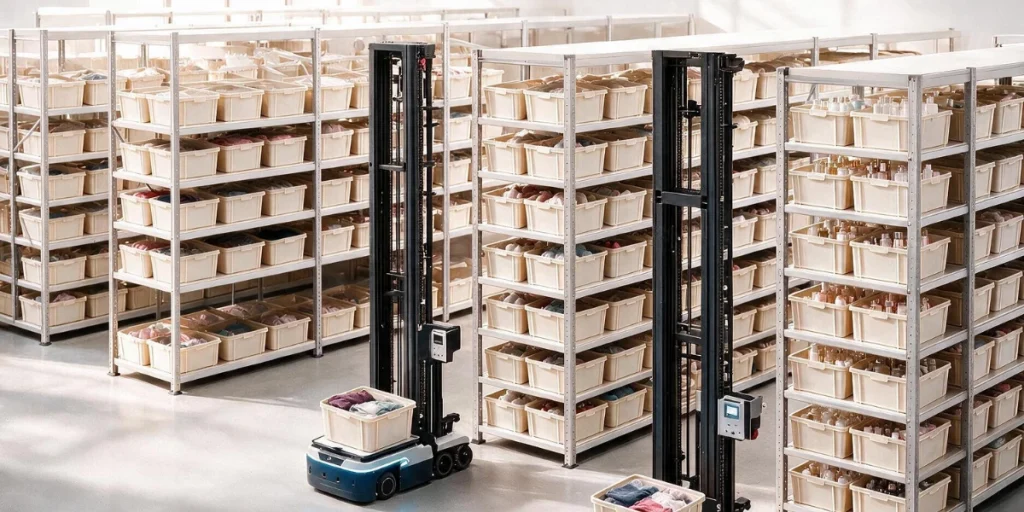
Smart warehouse systems offer a holistic approach that integrates physical warehouse operations with digital infrastructure. These systems analyze not only where products are located, but also how they move, how quickly they are processed, and which processes need improvement. Therefore, “What are smart warehouse technologies?” This question is actually a critical point in understanding the future of warehouse management. These technologies include warehouse management systems (WMS), barcode and RFID infrastructures, automated shelving and handling systems, robotic picking solutions, and AI-powered analytics tools. All these systems work in an integrated manner to ensure seamless data flow within the warehouse. Every step, from product acceptance to shipment, can be digitally tracked and optimized. Especially in systems with high integration capabilities, e-commerce platforms and warehouse management work directly together. This enables the automated processing of orders and minimizes human intervention.
Increasing Operational Speed and Optimizing Processes
In the e-commerce world, speed is one of the most important components of customer experience. The shorter the order preparation time, the greater the customer satisfaction. Smart warehouse systems make this speed possible by optimizing order picking and packaging processes.
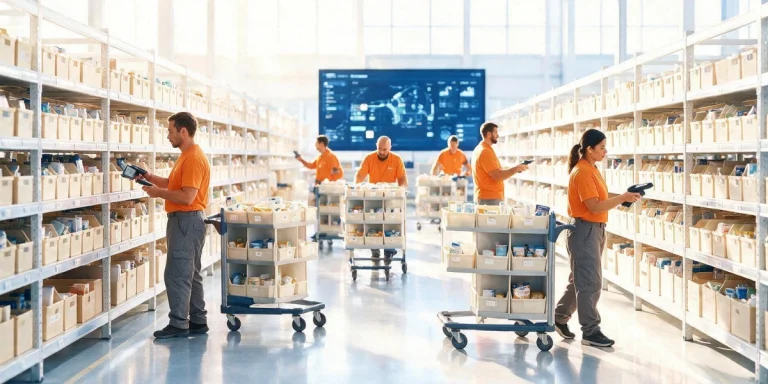
Product positioning within the warehouse is dynamically determined based on order data. Frequently ordered products are placed in more accessible areas, and picking routes are optimized. This reduces the time staff spend in the warehouse, allowing for the preparation of more orders in the same amount of time. This approach not only increases speed but also ensures more efficient use of labor. Thus, operational performance improves sustainably.
Controlling Costs Through Warehouse Automation
In warehouse operations, a large portion of costs stem from labor and time loss. These costs increase rapidly in warehouses with intensive manual processes. At this point... warehouse automation cost advantages, This makes a significant difference for businesses. Automation systems reduce repetitive tasks and allow human resources to be directed to more strategic areas. Simultaneously, lower error rates minimize return and rework costs, resulting in a significant reduction in total operating costs. In the long term, investing in smart warehouse systems offers a more predictable and controllable operational structure along with cost advantages.
Reducing Error Rates/Process Reliability
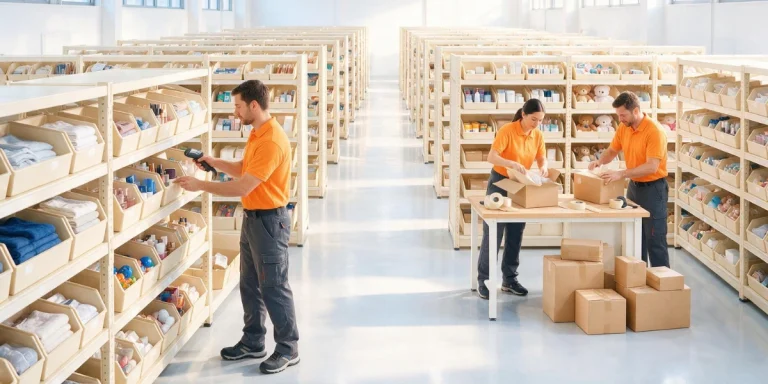
Errors in warehouse operations have a ripple effect, directly impacting customer satisfaction. Problems such as incorrect product shipments, incomplete orders, or improper labeling increase return processes and damage brand perception. Smart warehouse systems, thanks to barcode and automation infrastructures, minimize these errors. Order verification processes are controlled by the system, and potential errors are detected at an earlier stage. This makes operations more reliable. At the same time, standardization of processes creates a more consistent workflow among teams.
Scalability/Peak Period Management
One of the biggest challenges in e-commerce operations is adapting to sudden increases in orders. Campaign periods, special occasions, or seasonal peaks can strain warehouse capacity. Smart warehouse systems offer a flexible infrastructure that can adapt to this variable structure. When business volume increases, the systems continue to operate with the same performance. This allows businesses to manage their growth process in a more controlled and smooth manner. This scalable structure creates a competitive advantage, especially in high-volume operations.
Data-Driven Management/Strategic Decision Making
Smart warehouse systems not only manage operations but also continuously generate data. This data is analyzed to identify bottlenecks, inefficient areas, and opportunities for improvement in processes. This approach enables businesses to make more accurate and strategic decisions. It becomes clear which products move faster, which processes are slow, or where optimization is needed. A data-driven management approach transforms warehouse operations from a reactive to a proactive structure.
Customer Experience/Competitive Advantage
The most important factor that makes a difference in e-commerce is customer experience. Fast delivery, sending the correct product, and transparent process management directly affect customer satisfaction. Smart warehouse systems make this experience possible. Quick order preparation and error-free delivery increase customer loyalty. At the same time, transparency in processes allows customers to track their orders with more confidence. This is a significant advantage that increases the competitiveness of businesses.
Future-Ready Operations with Smart Warehouse Systems
Logistics and warehouse management are undergoing a rapid digital transformation. Smart warehouse systems are at the heart of this transformation, offering businesses the opportunity to adapt to the future. Valiselogi, with its advanced technology infrastructure and integrated logistics solutions, makes warehouse processes more efficient, more flexible, and smarter for businesses. You too can optimize your operations with smart warehouse systems and achieve sustainable growth in e-commerce.